Jackery Explorer 300 Plus Review: Specs, Performance, and Verdict
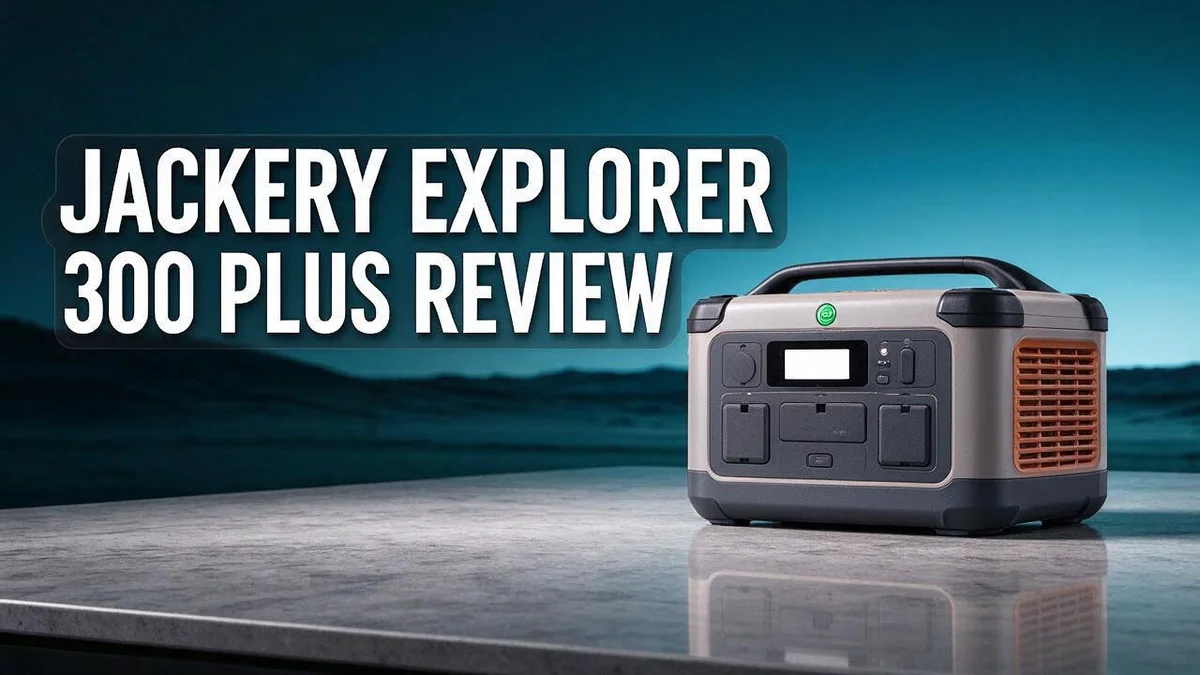
Are you looking for a power station that goes wherever you go? The Jackery Explorer 300 Plus might be the answer. It packs a 288Wh battery into a small body. Campers, road trippers, and home backup users often reach for it.
It weighs about 8.3 lb. That light weight makes it easy to carry. You can power small devices, lights, and gadgets with its 300W AC outlet. Its LiFePO4 battery also adds a layer of safety.
Charging is flexible too. You can use solar, a wall outlet, or your car port. Solar and AC can even charge at the same time. Read on to see if this compact unit fits your needs.
In a Nutshell
-
A 288Wh battery: This power station stores enough energy for phones, laptops, and small gadgets. It keeps your devices running when no outlet is nearby.
-
A 300W AC outlet: You can run compact appliances straight from the unit. Plug in what you need and get started right away.
-
LiFePO4 battery chemistry: This battery type is known for durability and stable performance. It helps the unit hold up well during regular use.
-
Quiet operation: The power station runs without loud fan noise. It suits campsites, home offices, and quiet evenings indoors.
-
An LCD screen and app: The display shows key details at a glance. The companion app lets you check battery status from your phone.
-
Strong safety praise: One reviewer rates its protection features highly. After a full year of use, the reviewer still described it as reliable and easy to use.
Capacity and Output

- Ultra-Lightweight: At only 7.5 lbs, the Explorer 300 delivers a robust 292Wh capacity while remaining...
- Versatile Power for 6 Devices: Equipped with 2 AC outlets, a 100W USB-C PD port, 2 USB-A ports, and a 120W car...
Last update on 2026-11-26 / Affiliate links / Images from Amazon Product Advertising API
Capacity and output decide what a power station can really do. Many buyers look at only one number, but both matter. This unit pairs steady storage with useful output for everyday tasks.
Think of capacity as a fuel tank. Watt hours show how much energy the unit holds. Output shows how fast that energy can flow to your devices. Bigger numbers do not always mean better results.
Watt hours divided by device wattage gives a rough runtime. In theory, a device that draws 48 watts could run for about six hours on a full charge. Real results can vary, because power conversion always loses some energy.
Output limits matter just as much. A 300W rating means the unit can supply devices that draw up to that level. Some appliances need a short burst of extra power when they start, so check their labels before you plug them in.
Keep the total load under the rated limit. Running several items together adds up fast. A small fan, a laptop, and a phone charger can share the output at the same time.
Efficiency also plays a role. Devices that draw power through the AC outlet lose some energy along the way. Leaving a small buffer in your plan keeps your gear running longer.
Charging also shapes how you plan your use. Solar and AC can charge at once, which helps you refill the unit faster. A quicker refill means more usable energy when you need it most.
Plan your use in three simple steps. First, add up the wattage of each device you want to run. Next, compare that total with the output rating. Finally, estimate the runtime using the stored energy. Pay attention to standby draw too.
Good planning leads to fewer surprises. With a clear plan, this compact unit can power lights, devices, and small appliances during a weekend trip. Smart math turns a power station into a reliable helper.
Portability and Build
Moving a power station should feel easy. The Explorer 300 Plus keeps its footprint small. It fits neatly on a camp table, a picnic bench, or a car floor.
The chassis measures 230 x 167mm. That compact shape helps it slide into a backpack or a storage bin. You can carry it across a campsite with one hand. Lift it with both hands for steady control on longer walks.
The build feels practical rather than flashy. Everything focuses on daily handling. You spend less time worrying about the unit and more time using it.
Placement matters more than many people think. Set the unit on a flat, dry surface. Keep it away from direct sunlight so it stays cool during use.
Uneven ground can cause trouble. Pick a level spot so the unit does not tip over. A stable base keeps cables from pulling on the ports.
Airflow keeps the system running smoothly. Leave open space around the sides so air can move freely. Avoid stacking gear on top of it or wrapping it in blankets.
Outdoor use brings dust and moisture. Keep the unit covered during rain or wind. Wipe it with a dry cloth when it gets dusty.
Road trips need a little extra care. Secure the unit in the trunk or back seat. This stops it from sliding during sharp turns or sudden stops.
A padded bag adds another layer of protection. It guards the unit against knocks and scrapes. Keep cables in a separate pocket so they do not tangle.
Think about where you will charge too. Place the unit near your planned spot, so you avoid long cable runs. Short runs keep things tidy and simple.
Overall, the Explorer 300 Plus suits people who move often. Its compact build makes setup quick. Its size also makes it easy to store between trips, so it sits ready on a closet shelf. With a little care, it stays ready wherever your plans take you.
Charging Options and Recharge Speed
The Explorer 300 Plus offers three ways to refill its battery. You can plug into a wall outlet, connect to a car, or use solar input. Each option fits a different setting.
A wall outlet is usually the fastest choice. Home or campsite power delivers steady energy. Keep the unit near an outlet before a trip so it starts full.
Car charging works well while you drive. The car port lets you top up during a long drive. It charges slowly, so plan extra time for it. Many car ports only work when the engine runs.
Solar depends on weather and sunlight. Clear skies give the best results. Cloudy days slow the process a lot. Face the panel at the sun and adjust it often.
Solar charging works best with a clear plan. Pick a sunny spot early in the day. Shade from trees or buildings can cut output sharply. Check your location before you set up.
You can estimate charge time with a simple formula. Divide the 288Wh capacity by the input power you expect. For example, a 60 watt input needs about 5 hours for a full charge. This is a rough estimate. Losses along the way add extra time.
Mixing sources gives the most flexibility. Start with a wall charge at home. Then add solar or car power during your trip. This keeps the battery ready for each day.
Plan your charging before each trip. Charge at home overnight. Use the car port during drives. Add solar when the sun shines on your campsite.
Charge before storms or power cuts. Emergencies can strike with little warning. A full battery keeps your lights and phone running. Store the unit where you can grab it fast.
A fully charged unit gives you more options when you need power most.
Top 3 Alternatives
Looking for a different option? These three alternatives also work well for camping, road trips, and power outages.
EcoFlow River 2

- [1 Hour AC Recharge] - Power up in just 1 hour! With EcoFlow's X-Stream fast charging technology, recharge...
- [Power All Your Essentials] - With an output of up to 1000W, run 11 essential appliances simultaneously...
Last update on 2026-11-26 / Affiliate links / Images from Amazon Product Advertising API
The EcoFlow River 2 is a compact power station that fits easily in a bag or car trunk. It uses a LiFePO4 battery, which lasts through many charge cycles. It also recharges quickly, so you can top it up before your next outing. Many people choose it for phones, cameras, and small lights.
Anker Solix C300

- ...
- 𝗠𝗮𝘀𝘀𝗶𝘃𝗲 𝗣𝗼𝘄𝗲𝗿 𝗼𝗻 𝘁𝗵𝗲 𝗚𝗼: Take portable power anywhere...
Last update on 2026-11-26 / Affiliate links / Images from Amazon Product Advertising API
The Anker Solix C300 suits people who charge laptops and phones often. It supports USB-C fast charging, so your devices get power in less time. Its clean design makes it simple to use, even for first-time buyers. It is a practical choice for remote work or a long day outdoors.
Bluetti EB3A

- [288Wh On-the-Go Power] - Only 9.4 lbs lightweight, carry it anywhere during storms! 288Wh capacity meets...
- [600W Continuous & 1500W Surge Power] - Get a full 600W output—twice as much as others. When you need...
Last update on 2026-11-26 / Affiliate links / Images from Amazon Product Advertising API
The Bluetti EB3A focuses on reliable everyday power. Its display shows battery level and output at a glance. You can run small appliances like fans, lights, and a mini fridge for a short time. Its lightweight body also makes it easy to carry from room to room during a blackout.
Quiet Operation and Interface
Noise can ruin a peaceful evening outdoors. Good news: the Explorer 300 Plus runs quietly.
Quiet operation makes a real difference. You can run small devices near your bed without disturbing anyone.
Fans and motors often create the most noise. This unit keeps its hum low during everyday use.
Camping with kids or pets calls for a calm setup. A quiet power source helps everyone rest.
The LCD screen sits on the front panel. It shows key details at a glance.
Clear readings take the guesswork out of power use. The screen helps you track charging and output status.
The interface feels simple, even for people new to power stations. Most people learn the basics in minutes.
The companion app adds another way to monitor the unit. Many people like having both a screen and a phone option.
Simple controls reduce mistakes. A clear layout helps you switch outputs with confidence.
Safety also matters when you handle power every day. Reviewers rate the built-in protections highly, which adds peace of mind.
Quiet running, a clear screen, and an easy app work together. Together they make the Explorer 300 Plus pleasant to use at home, in a van, or at camp.
Overall, this interface suits people who want straightforward power without fuss.
Noise also affects how you feel about your gear. A device that hums loudly can make a campsite feel busy.
Quiet gear keeps the focus on the view and the company. The app works as a helpful companion during longer trips.
You can check the screen at any time without stopping your activity.
Every detail counts when power runs through daily life. Small touches add up over days of use.
Users who value calm surroundings will appreciate this unit. The interface also welcomes new users who want fewer steps.
Quiet operation and clear design make this unit a comfortable choice.
Safety Protections
Safety matters more than most buyers expect. A power station stores a lot of energy in a small box. The Explorer 300 Plus earns high marks in this area.
One reviewer from Portable Power Geek rates its safety protections highly. That kind of praise carries weight. It suggests the unit handles everyday use with care.
The battery uses LiFePO4 chemistry. This lithium iron phosphate type is known for stable behavior. It handles heat and stress better than many other lithium options.
Stable chemistry gives you a safer starting point. Good design does not replace good habits, though. You still need to treat the unit with respect.
Start with a quick check before each trip. Look over the cables for cuts or bent pins. Replace any damaged cable before you plug in.
Use only the cables and chargers that match the unit. Mixed parts can create heat or poor connections. Stick with original accessories whenever possible.
Watch for warning signs during use. A hot case, a strange smell, or a sudden shutdown needs your attention. Unplug the devices and let the unit cool down.
Store the unit indoors when temperatures become extreme. Heat and freezing can wear down a battery over time. A stable storage spot protects its life.
Know the limits of any power station. Plugging in a heater or a large appliance can overload the outlet. Add up the wattage of your devices before you connect them.
Safety also means knowing what to do in an emergency. Keep a fire extinguisher nearby when you camp. Store the manual where everyone in your group can find it.
Test the unit at home before a long trip. Running a small device first shows how it behaves. This simple test builds confidence early.
A short practice run also helps you learn normal sounds and temperatures. Knowing what normal looks like makes problems easier to spot.
Overall, the Explorer 300 Plus gives a strong sense of security. Its solid safety reputation lets you focus on your trip. Smart habits keep that peace of mind going.
Pros and Cons
Pros
– The compact build fits easily in a backpack or trunk.
– The light frame makes it simple to carry to a campsite.
– Solar and AC can charge together to save time.
– A single unit handles many different charging sources.
– After one year of use, a reviewer still calls it reliable.
Cons
– The 288Wh capacity suits small devices, not whole home backup.
– Large groups may need a bigger unit like the Explorer 1000 v2.
– Long trips with many gadgets may need a backup charge plan.
– Our research found no documented drawbacks, so testing it yourself helps.
Who Should Buy It
Hikers and day trippers often want power without the bulk. This unit fits that need well. It works best for short outings where the goal is keeping a few key gadgets alive.
Photographers gain a lot from it too. Camera batteries, drone packs, and action cam cards can all stay charged on location. A dependable backup matters when shoots run long.
Remote workers who work outdoors or in a cabin can benefit as well. A laptop and an internet router can run for part of a workday. Keep the load light, though.
Emergency planners can also use this model. Charging a phone, a lantern, and a small radio during a short power cut offers real peace of mind. It serves as a stopgap, not a full backup.
Solo travelers and couples often find the size ideal. Two people with a few devices rarely push the unit too hard. Couples can split the workload between two phones and a camera. Plan your usage before you leave.
Festival goers and tailgaters also benefit from its size. Phones, speakers, and string lights can run for a good stretch. Keep it in a bag so it stays close to you.
Hobbyists with small electronics also fit the profile. Ham radio operators, night sky watchers, and field researchers often need quiet, steady power outdoors.
Future power station buyers can use this model as a test run. Learn how your devices drain energy in daily life. That knowledge helps you choose a larger unit later.
Who should skip it? Anyone who runs a full household or heavy tools will need a larger model. Power saws and big appliances drain the battery fast. Heavy loads need a stronger source, so plan ahead.
Bottom line: if your device list stays short, this unit fits your plan. Match the capacity to your daily needs before you buy.
Final Verdict
Our final take keeps things simple. The Jackery Explorer 300 Plus suits buyers with a short device list. It handles the basics well and stays easy to carry.
Think about your next outing before you decide. Write down every gadget you plan to charge. Add up their power needs. Then compare that total with the 288Wh capacity. This quick math shows whether the unit fits your plan.
Compare it with close rivals too. The EcoFlow River 2 deserves a look if you want a similar size. The larger Jackery Explorer 1000 v2 suits groups that need more runtime. Each model serves a different kind of user.
Test the unit at home first. Run your phone, lights, or camera through it for a full day. Watch how fast the battery drains and how it charges from solar. Real results teach you more than any spec sheet.
Here is a simple way to decide. Pick this unit if your gear fits inside its capacity. Choose a larger model if you power a crew, a cabin, or tools. Either choice works well when the match is right.
Pair it with a small solar panel for longer trips. Charging during the day keeps the battery ready for evening use. A panel adds flexibility when you camp for several days.
Finally, trust your own needs above any hype. Read the specs, test the basics, and choose what matches your routine. A good choice feels right when you use it.
Frequently Asked Questions
Is the Jackery Explorer 300 Plus quiet enough for a campsite?
Yes, it runs quietly. This makes it a good fit for tent camping or a cabin night. You can charge a phone or run a light without waking people nearby.
What battery type does it use?
It uses LiFePO4 battery chemistry. This chemistry is known for stable performance over many charge cycles. One reviewer also rates its safety protections highly, which gives extra peace of mind.
Can I charge it from my car?
Yes, it has a car port input. You can top up the battery during a drive. This helps on road trips where wall outlets are hard to find.
How many devices can I run at once?
The 300W AC outlet sets the limit. Add up the wattage of your devices before you plug them in. Keep the total under 300W so the unit does not overload.
How do I check the battery level?
The LCD interface shows the battery status right on the unit. You can also use the app to check levels from your phone. Checking often helps you plan your power use for the day.

Dillip is the founder and editor of DillipWeb.com, where he simplifies the world of AI software, tech gadgets, and accessories through honest reviews, detailed comparisons, and easy-to-follow guides. With a deep passion for emerging technology, he helps everyday users make smarter, more informed tech decisions.